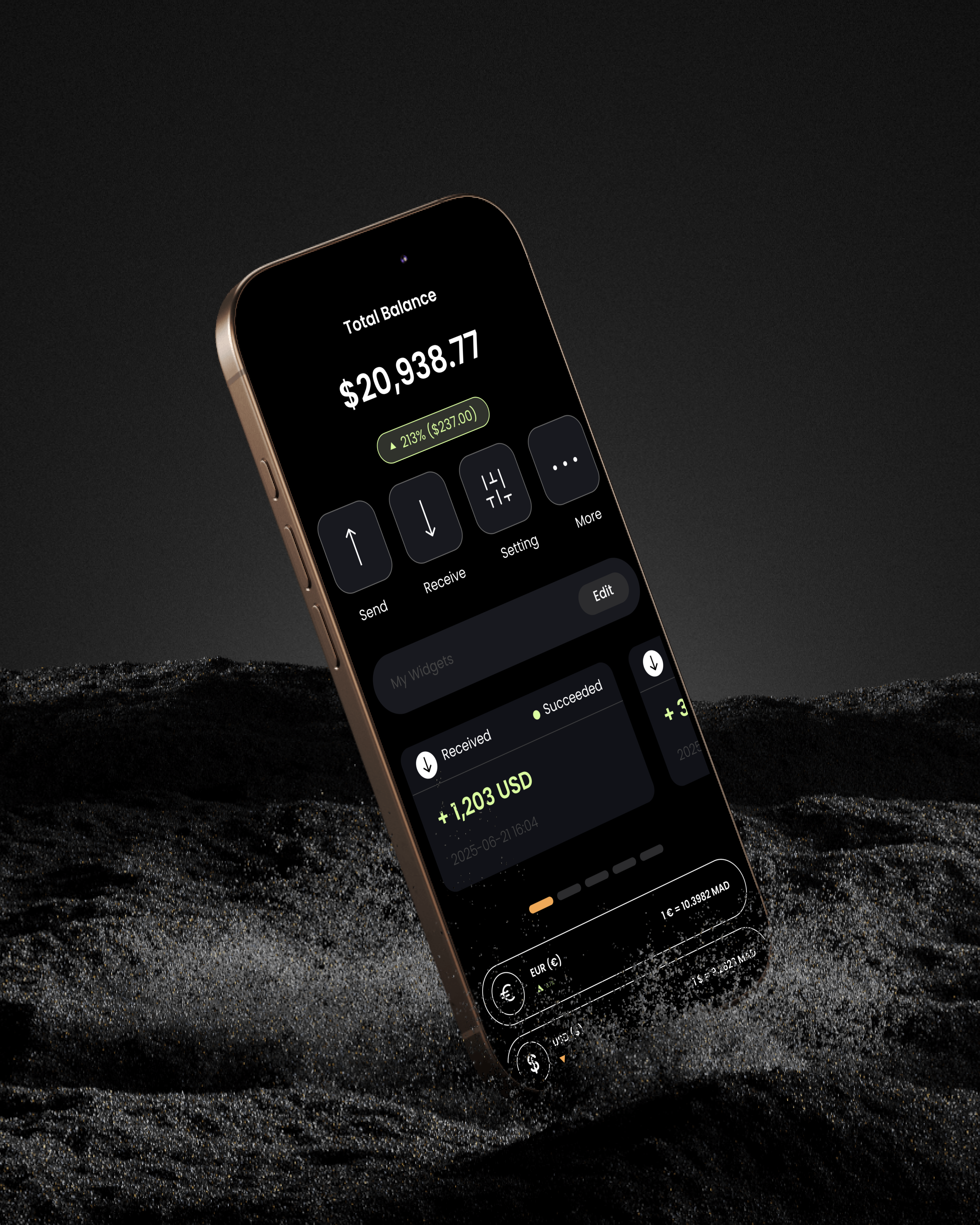
Mobile-First Design: Why It Matters More Than Ever in 2026
Mobile-first design means designing for mobile users first — then scaling up to desktop. In 2026, this approach isn’t optional anymore.
Here’s why mobile-first web design matters more than ever.
1. Most Users Browse on Mobile
Over 70% of website traffic comes from mobile devices. If your site doesn’t work well on phones, you’re losing visitors instantly.
2. Google Uses Mobile-First Indexing
Google evaluates your website based on its mobile version first.
That means:
-
Poor mobile UX = lower rankings
-
Slow mobile speed = lost visibility
Mobile optimization directly affects SEO.
3. Better User Experience
Mobile-first websites are:
-
Easier to navigate
-
Faster to load
-
Clearer in structure
Simple layouts convert better.
4. Higher Conversion Rates
Mobile-friendly websites make it easier for users to:
-
Contact you
-
Fill forms
-
Book services
-
Make purchases
Good mobile UX leads to more actions.
5. Easier Design Decisions
Designing for mobile forces clarity:
-
Less clutter
-
Clear CTAs
-
Focused content
This improves both mobile and desktop experiences.
Mobile-first design isn’t a trend — it’s the standard. Websites that prioritize mobile users perform better in SEO, UX, and conversions.
If your website isn’t mobile-optimized yet, contact me now to fix it.